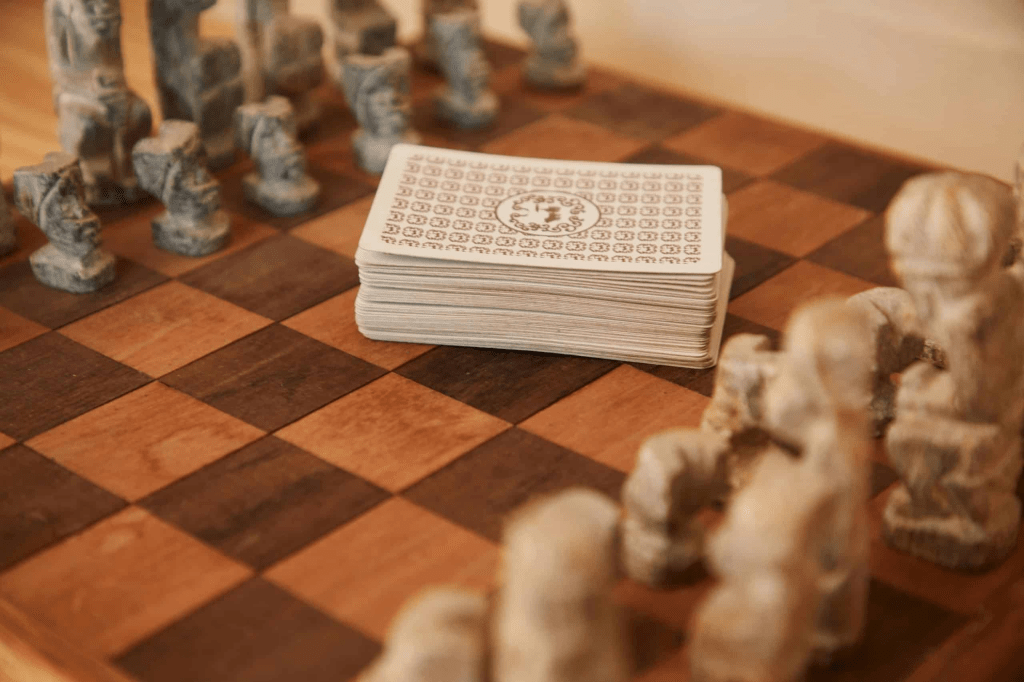
Chess is a game of strategy, foresight, and FCM99 deep thinking, where players must anticipate moves, calculate outcomes, and remain flexible in their approach. While many may not initially see a connection between chess and card games, these two types of games share some surprising similarities. Both require a high level of mental engagement, strategic thinking, and the ability to adapt to changing circumstances. So, the question arises: Can card games improve chess skills?
In this article, we’ll explore how playing card games might actually benefit chess players. We’ll look at how the cognitive, strategic, and mental agility required in card games can transfer to chess, helping players improve their overall game and sharpen their skills.
The Cognitive Benefits of Playing Card Games
To understand how card games can improve chess skills, it’s important first to consider the cognitive benefits of playing card games in general. Many popular card games, such as Poker, Bridge, and Rummy, require the player to think strategically, assess probabilities, and adapt to changing situations—all skills that are equally important in chess.
Memory and Recall
In card games like Bridge or Spades, players need to remember which cards have been played, what cards are in their hands, and what strategies are unfolding. This engages the brain’s ability to store and recall information, much like how chess players need to remember previous moves, opening theory, and tactics during a game. The better a player’s memory, the easier it is to recognize patterns and apply strategic decisions in chess.
Pattern Recognition
Both chess and card games demand the recognition of patterns. In Poker, players must observe opponents’ betting behavior and card sequences to predict the next move. In Rummy, players form sequences based on patterns in the cards in their hand. Similarly, in chess, recognizing common opening patterns, tactical motifs, and endgame positions is key to playing well. The ability to spot these patterns quickly in card games can translate to a heightened ability to recognize patterns on the chessboard.
Strategic Thinking
Strategy is at the heart of both card games and chess. In Poker, players must think about long-term strategy while calculating the odds of winning based on the cards in their hand and what they can infer about their opponent’s hand. Similarly, in chess, players must anticipate future moves and consider multiple lines of attack or defense. This strategic thinking in card games fosters the same type of foresight required in chess—thinking several moves ahead, weighing options, and assessing risks.
Probability and Risk Assessment
Many card games, such as Poker or Blackjack, involve an element of probability. Players must calculate the likelihood of drawing a particular card or make bets based on the odds of a favorable outcome. In chess, players often assess the probability of certain tactical motifs occurring or evaluate the risks of making a particular move (such as sacrificing material for a more advantageous position). Playing card games improves a player’s ability to evaluate these probabilities and make calculated risks, which is incredibly useful in chess.
Mental Agility and Adaptation
Another key skill that both card games and chess demand is mental agility. In both types of games, players must constantly adapt to changing circumstances. One move in chess can drastically alter the course of the game, just as one draw in a card game can change the flow of play.
Adaptability
Card games like Gin Rummy or Euchre require players to think on their feet and adapt their strategy based on the cards they are dealt and the moves their opponents make. Similarly, in chess, players must adapt to the opponent’s strategy, often adjusting plans based on the changing board dynamics. The quicker a player can change their approach in a card game, the quicker they’ll be able to adjust to different positions and challenges in chess.
Concentration and Focus
In Solitaire, Poker, or Hearts, players need sustained attention to detail. The ability to focus on the task at hand without being distracted is essential in both types of games. For chess players, concentration is key when analyzing the board and calculating multiple lines of play. The mental discipline developed through card games helps sharpen a player’s ability to focus on every aspect of a chess game, from opening to endgame.
How Specific Card Games Help Develop Chess Skills
While any card game can offer cognitive and strategic benefits, some card games may be particularly beneficial in developing skills that transfer directly to chess. Let’s break down a few examples:
- Poker: Strategy, Probability, and Bluffing
Poker is a game of incomplete information, where players must assess the probability of winning based on the cards visible and the actions of their opponents. The strategic thinking required in Poker directly correlates to chess, where players must think about possible future moves and anticipate an opponent’s strategy. Bluffing is another crucial component in poker that sharpens a chess player’s ability to deceive or mislead opponents about their plans, especially during critical moments in the game when a surprise move can turn the tide.
Chess Skill Transfer: Improved ability to assess risks, read opponents’ behavior, and think multiple moves ahead.
- Bridge: Team Strategy and Communication
In Bridge, players must rely on team strategy, signaling, and sometimes even anticipating the partner’s moves. Communication, both overt and covert, is essential, which is not unlike how top-level chess players often rely on reading and understanding their opponent’s body language or behavior patterns. The critical thinking and cooperation required in Bridge mirror the kind of mental teamwork chess players use when evaluating positions, often adjusting their approach based on the opponent’s strategy.
Chess Skill Transfer: Enhanced strategic thinking, the importance of indirect communication (reading opponents), and adaptability.
- Rummy: Pattern Recognition and Focus
In Rummy, players must focus on creating sequences or sets, which requires them to quickly recognize card patterns and adjust their strategy to take advantage of those patterns. The ability to recognize and act on patterns is a highly transferable skill in chess, where players must recognize recurring tactical motifs and opening patterns.
Chess Skill Transfer: Sharpened ability to recognize common patterns on the chessboard, better sequencing of moves.
- Solitaire: Patience, Planning, and Focus
Though a solo game, Solitaire teaches players patience and planning. In Solitaire, you must make decisions that help organize your cards to create a sequence, just as in chess, where a player needs to make moves that will lead to a planned victory. Players must weigh every decision and understand its impact on the overall game.
Chess Skill Transfer: The ability to plan moves ahead, patience when waiting for the right moment to act, and understanding the consequences of each move.
Improving Chess Through Card Games: Final Thoughts
While card games and chess may appear to be fundamentally different, the skills they foster share significant overlap. Both games develop strategic thinking, pattern recognition, focus, and the ability to plan several steps ahead. Playing card games helps chess players build mental agility, refine their decision-making, and hone their ability to adapt to changing situations.
If you are a chess player looking to improve your game, consider incorporating card games into your routine. Whether it’s Poker, Bridge, Rummy, or Solitaire, each card game offers unique benefits that can sharpen your chess skills. By working on your ability to read opponents, calculate risks, and manage multiple scenarios, you’ll find that your strategic thinking in chess becomes more intuitive, your moves more deliberate, and your game more formidable.
 Site Title
Leave a comment